
Looking After Minds, One Meal and One Conversation at a Time
09 Oct 2026 - Wellness
Published on 27 May 2026
Who doesn’t love a quick snack on a hectic day?
On board, snacks often become a secret fuel - grabbed between watches, during long engine-room rounds, or while staring at a radar screen at 2 a.m. But here’s the question worth asking: Are your snacks helping you stay sharp… or slowly draining your energy?
Snacking isn’t the enemy — it’s why and what we snack that matters.
Many people snack because they’re genuinely hungry between meals. But hunger isn’t the only driver.
There’s also emotional snacking; eating out of boredom, stress, loneliness, or fatigue. And let’s be honest: when you’re weeks away from home and your “free time” is limited, food becomes comfort. Ever reached for biscuits just because the watch felt endless? You’re not alone.
Here’s an interesting fact: Lack of sleep (very common on board) increases cravings for sugary and salty foods. Your brain is simply asking for quick energy, even if it’s not the kind that keeps you going for long.
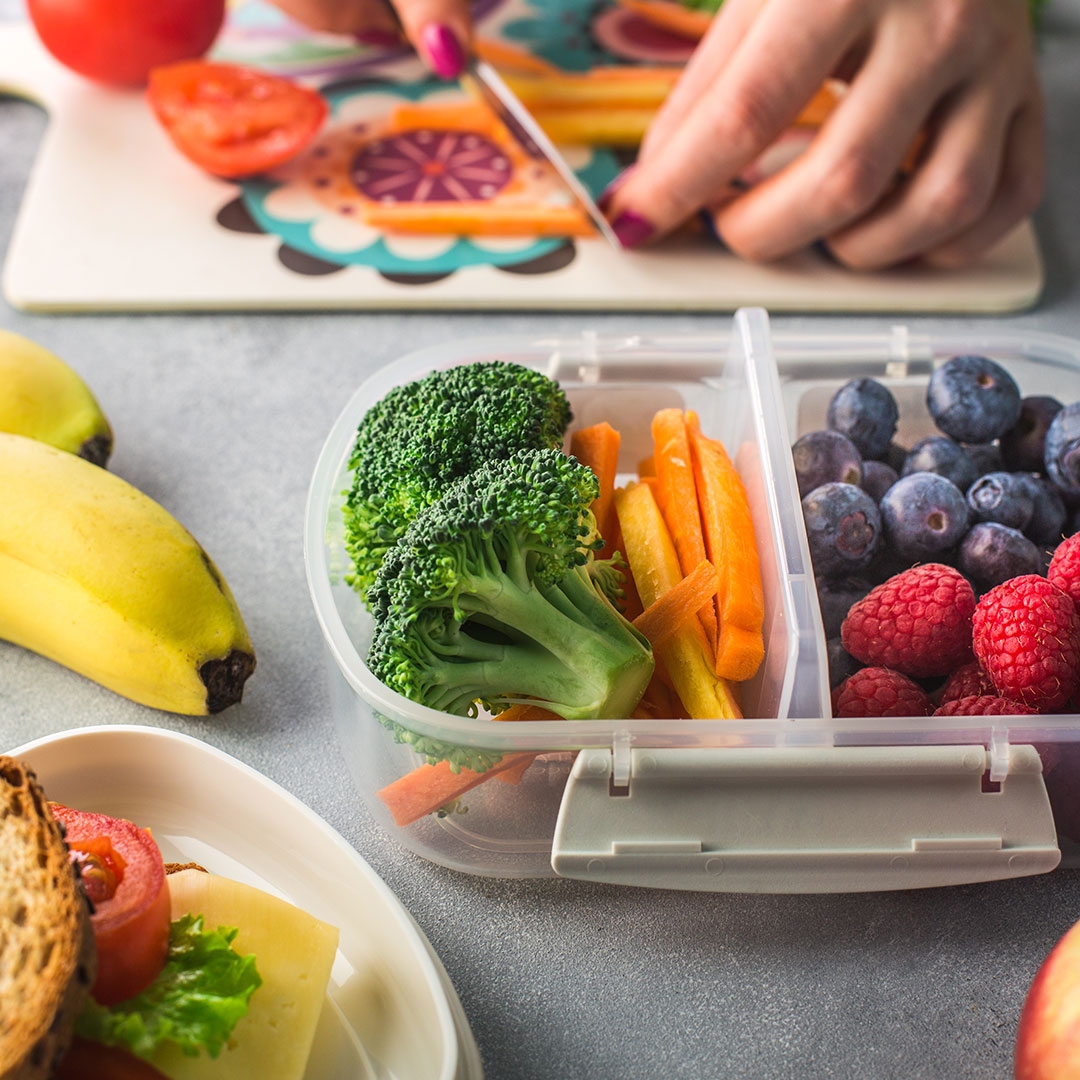
Simply, snacking becomes a problem when it replaces proper meals.
If breakfast is a coffee and a biscuit, lunch is skipped, and dinner is followed by constant nibbling - your body never gets the nutrients it actually needs. This pattern is becoming more common, especially with busy schedules and limited galley hours.
That’s where simple meal planning comes in. A balanced main meal makes smarter snacking easier - not harder. Snacks should support your meals, not act as emergency replacements.
Ask yourself: “Am I snacking because I’m hungry - or because I didn’t eat properly earlier?”
Many snacks proudly label themselves as “healthy,” but marketing doesn’t always equal nutrition.
A smart snack does three things:
The winning formula?
Protein + fibre + healthy fats
Think of it this way:
A chocolate bar may give you energy, but only for 20 minutes. A protein-rich snack can keep you focused for hours.
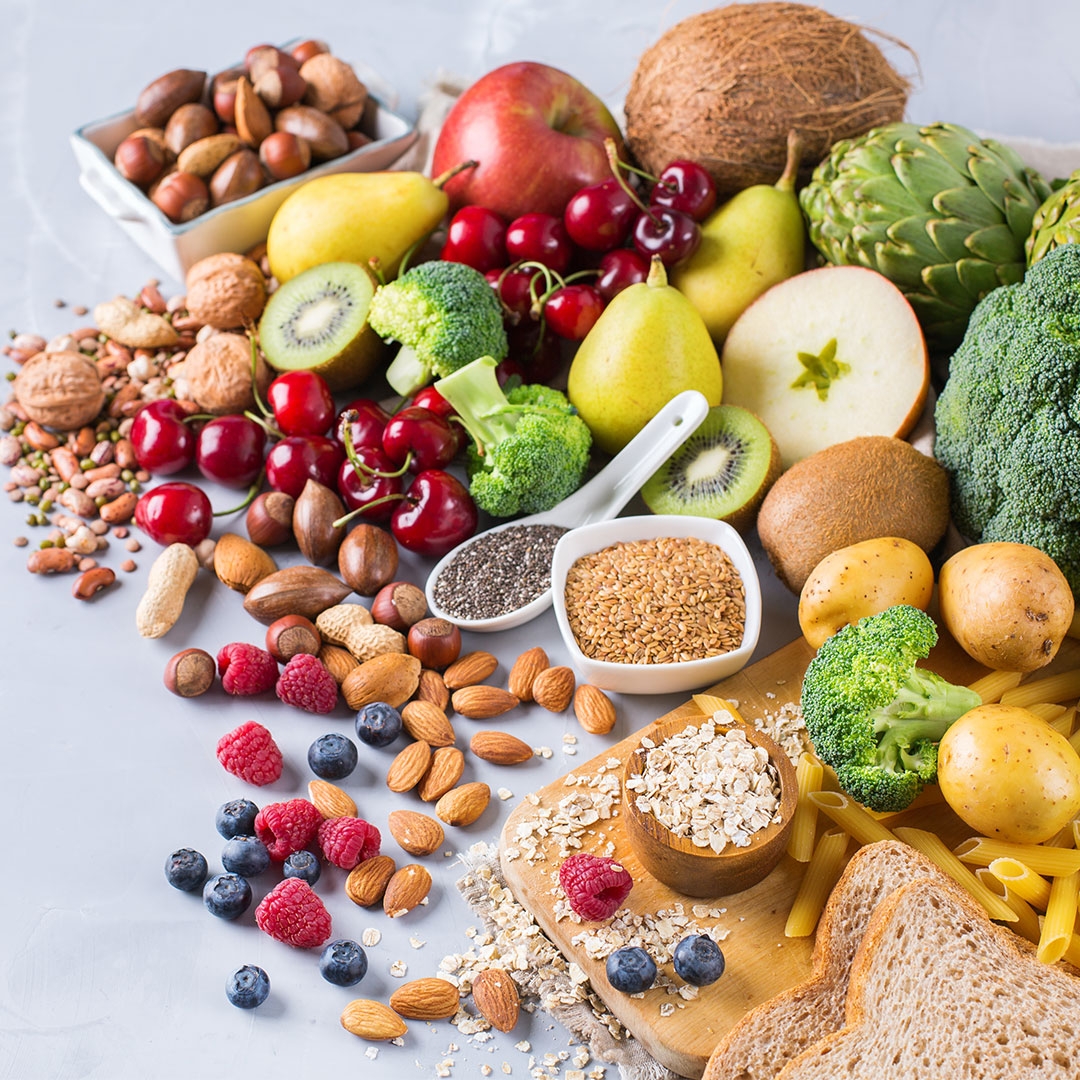
Let’s keep it realistic, shelf-stable, easy, and practical:
A handful of nuts plus a piece of fruit will keep you satisfied far longer than biscuits, even though the calories may be similar. Quality fuel matters.
Ever felt tired, irritable, or unfocused shortly after snacking? That’s the sugar crash - when quick carbs spike your blood sugar and then drop it just as fast. On board, this can affect:
Where sugar crush comes from? Think of refined carbohydrates and simple sugars – cookies, cakes, white bread, pastries, candies, donuts, crisps and sodas. These give you fast energy, but it fades just as quickly.

Healthy snacking at sea isn’t about rules or restriction. It’s about awareness. You don’t need to give up treats, just balance them. Choose snacks that work for you, not against you. Your energy, focus, and well-being will thank you; especially on those long days when shore feels very far away.
Next time you reach for a snack, pause and ask:
“Is this fuelling my shift - or just filling time?”
Sometimes, that one question makes all the difference.
At BSM Catering, we understand that food onboard is about much more than satisfying hunger. Nutritious meals and smart snack choices play an important role in supporting crew health, energy levels, mental wellbeing, and overall performance at sea. Through our holistic catering management approach, we work closely with vessels to promote balanced nutrition, high food quality standards, menu variety, and crew engagement. Our vision is to create a catering environment that contributes to healthier, happier, and more resilient crews, recognizing that crew wellbeing remains at the heart of safe and successful vessel operations.
09 Oct 2026 - Wellness
07 Sep 2026 - Wellness
07 Sep 2026 - Wellness
27 May 2026 - Wellness
From shore to sea, good food keeps people moving
Powered by BSM Catering Services
Supporting crew wellbeing, performance and excellence - everywhere we operate.
27 May 2026 - Wellness
27 May 2026 - Wellness
26 May 2026 - Wellness
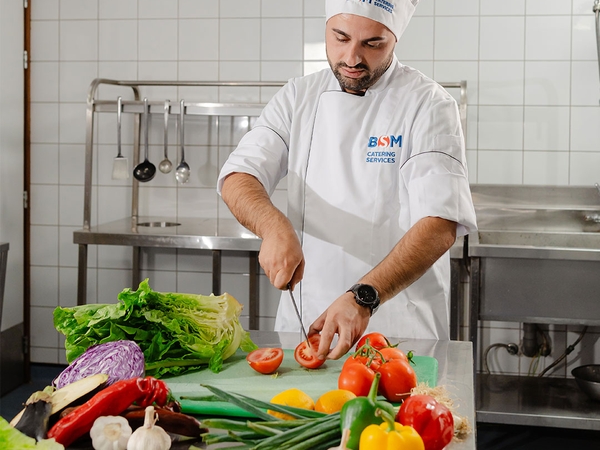
The food trends of 2026 are all about balance, simplicity, and nourishment. This year, expect a blend of comfort and innovation: meals that are quick, wholesome, and easy to prepare, plus everyday ingredients getting a fresh twist. And yes, these trends are sailing straight to your plate, even onboard a ship.