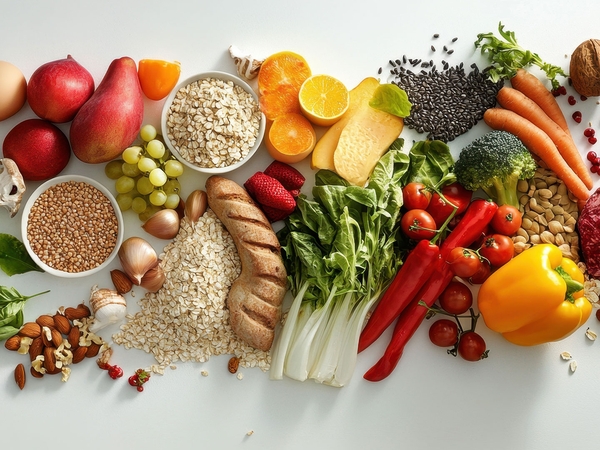
Managing Weight and Obesity for Seafarers – Practical Approaches for Healthy Living Onboard
07 Sep 2026 - Wellness
Published on 07 Sep 2026
Life at sea can be both exciting and challenging. Seafarers spend long hours working, often in isolated conditions, and when it comes to food, quick, easy options and sweet treats can feel like comfort. A can of soda, a slice of cake or a chocolate bar can feel like a quick energy boost. But over time, too much sugar can have a significant impact on seafarer’s health.
Sugar is a simple carbohydrate found naturally in many foods like fruits, vegetables and dairy products. Sugar itself isn’t the enemy – our bodies use it for energy. The problem arises with ‘added sugars’, those included processed foods, desserts, sweetened drinks and sauces; rather than those naturally occurring foods.
Consuming too much added sugar has been linked to:
These conditions are especially problematic at sea, where access to medical care is limited and where performance and alertness are critical for safety.
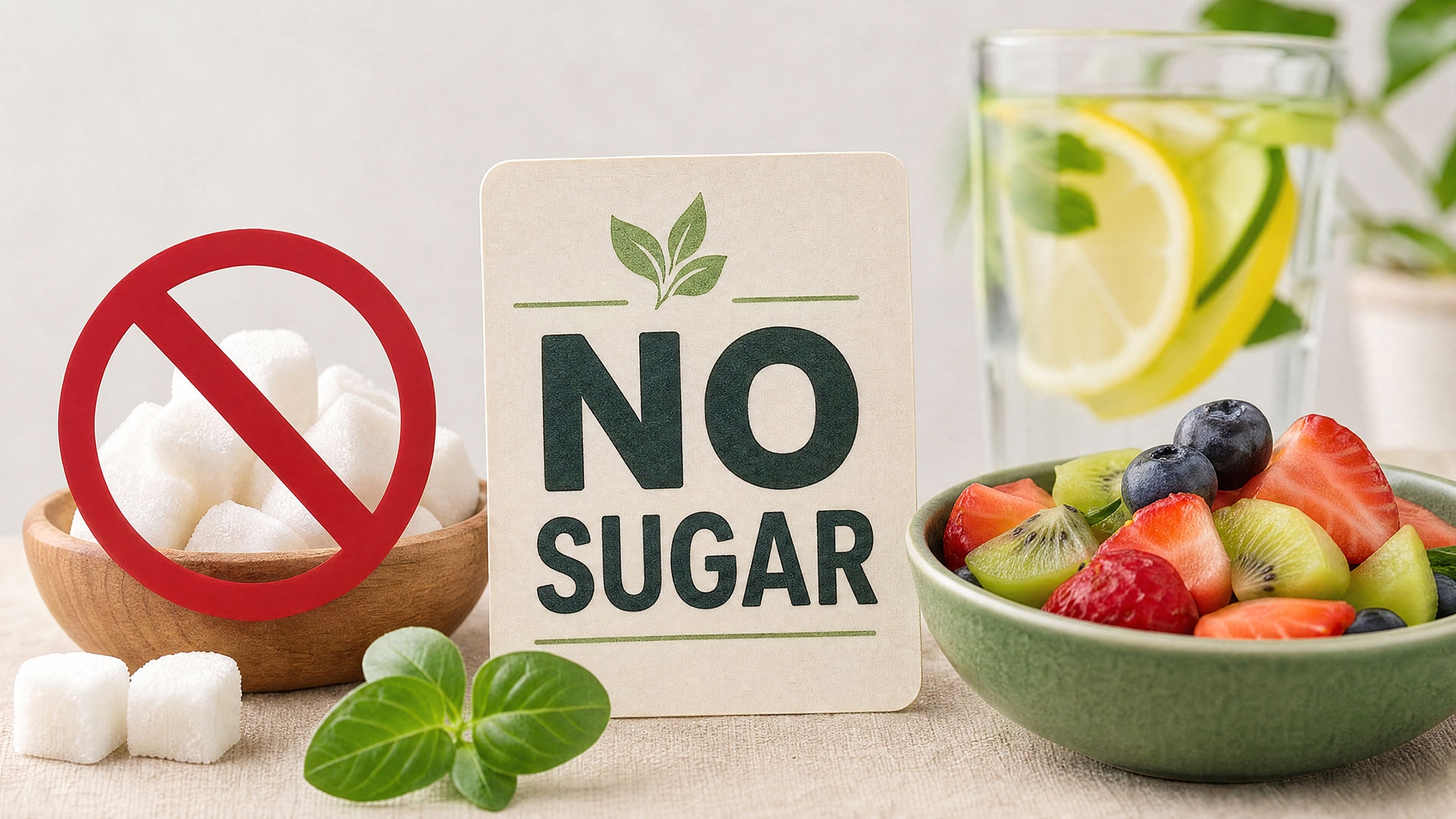
The World Health Organization (WHO) recommends that adults should limit added sugar intake to less than 10% of their total energy intake, ideally under 5%. In grams that would be around 25 – 30 grams per day (roughly 6-7 teaspoons).
It’s very easy to overshoot this limit – for example, one can of coca cola can exceed that limit on its own, since it contains about 35 – 40 grams of sugar.
Reducing sugar isn’t about cutting calories – it’s about taking care of your whole self. A lower sugar intake helps boost physical endurance, keeps your energy more stable throughout demanding shifts, and sharpens your mental focus when it counts most. Further, it supports long – term health by lowering the risk of conditions like diabetes and heart disease. Finally, less sugar can help manage stress, reduce mood swings and promote better sleep, all essential when working in a high pressure environment.
Focusing on Beverages - One of the biggest sources of hidden sugar is in beverages – sodas, energy drinks, and even some fruit juices. Swapping those out for water, unsweetened tea, or sparkling water with lemon can make a huge difference over time. If plain water feels too boring, try adding slices of orange, cucumber, or mint to make it more enjoyable.
Staying Hydrated at All Times - It’s easy to confuse thirst with hunger, and sugary drinks are often the go-to choice when hydration is needed. Ensure you are always hydrated to avoid any confusion.
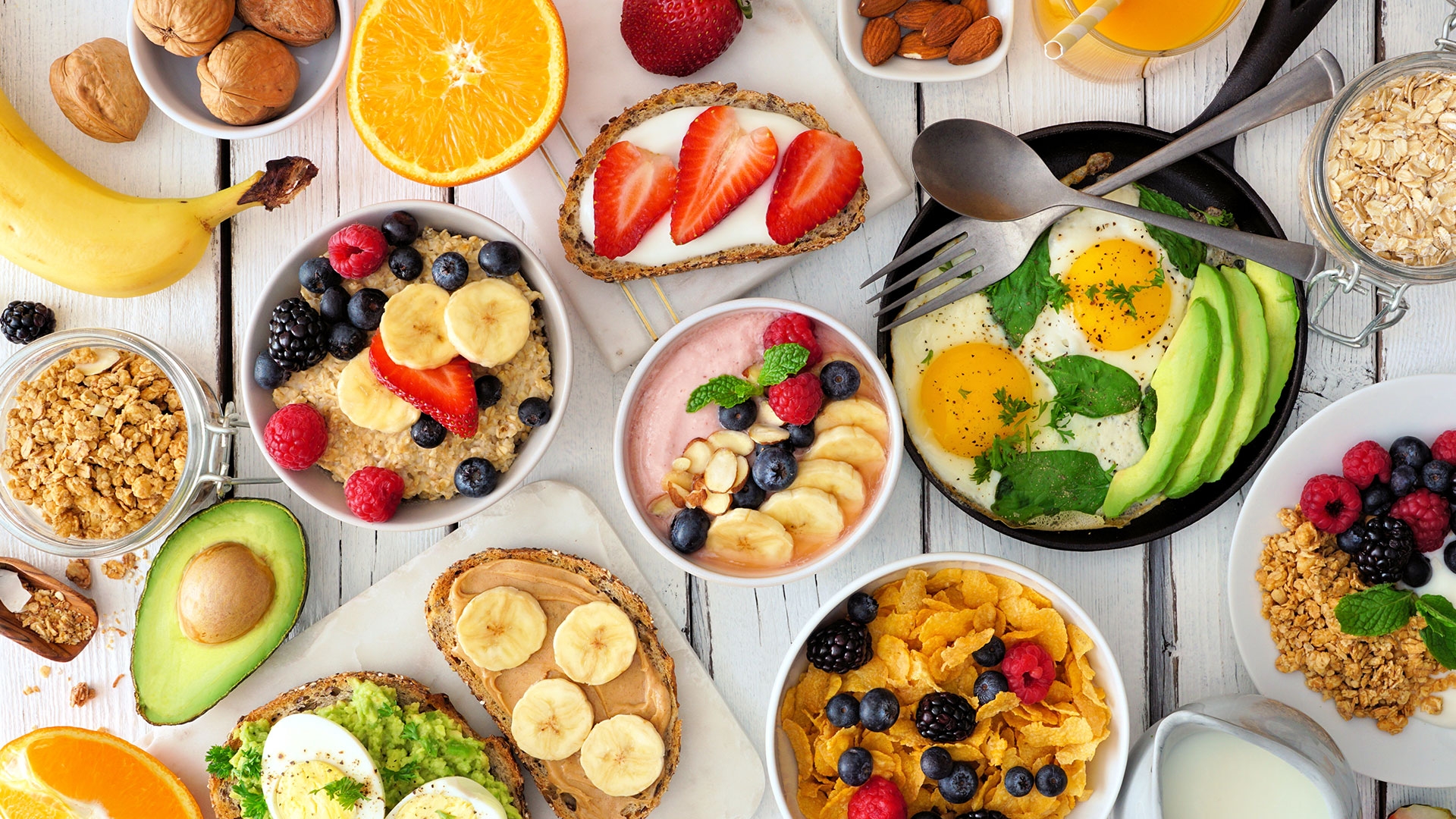
Making Small Changes - You don’t have to give up dessert, but maybe choose fruit more often, or enjoy sweet treats in smaller portions. Instead of snacking on candy or cookies between shifts, replace them with nuts, bananas, or wholegrain crackers. Even swapping sugary breakfast cereals for oatmeal or eggs can make a big difference in how seafarers feel throughout the day.
Incorporating Healthy Fats and Proteins in Your Meals - Healthy fats (from sources like avocados, olive oil, and nuts) and lean proteins (like chicken and fish) can help keep sugar cravings away. These foods can provide long-lasting energy and can stabilize blood sugar levels, reducing the likelihood of reaching for sugary alternatives.
Reading Food Labels - Sugar hides in sauces, salad dressings, pre-packaged snacks, soups, and breads. Reading labels (when possible) or being mindful about how often we are eating sweetened or packaged items can go a long way.
Consulting a Health Professional - Consider reaching out to a nutritionist for expert tailored -made advise and guidance.
Reducing sugar is a simple step with a powerful impact. Understanding the risks, knowing the limits and making small changes in your daily habits can make a real difference in your wellbeing. Your body will feel the difference – and so will your mind.
07 Sep 2026 - Wellness
27 May 2026 - Wellness
From shore to sea, good food keeps people moving
Powered by BSM Catering Services
Supporting crew wellbeing, performance and excellence - everywhere we operate.

27 May 2026 - Wellness

27 May 2026 - Wellness
27 May 2026 - Wellness
26 May 2026 - Wellness
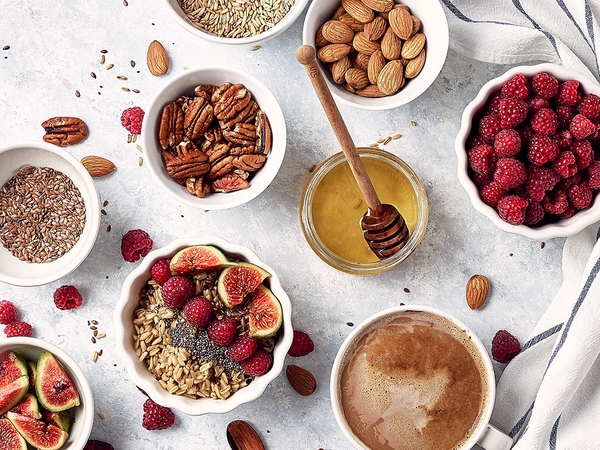
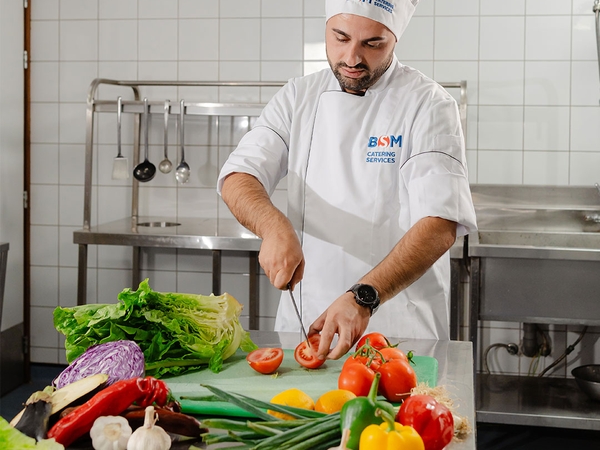
The food trends of 2026 are all about balance, simplicity, and nourishment. This year, expect a blend of comfort and innovation: meals that are quick, wholesome, and easy to prepare, plus everyday ingredients getting a fresh twist. And yes, these trends are sailing straight to your plate, even onboard a ship.