When One Meal Can Become a Medical Emergency: Managing Food Allergies at Sea
16 Oct 2026 - Wellness
This World Diabetes Day, the message is clear: Early Action Matters.
Published on 17 Nov 2026
Nearly 1 in 9 adults worldwide lives with diabetes, and an estimated 43% of adults with diabetes remain undiagnosed. These figures highlight why awareness, timely action and access to appropriate medical advice are so important.
Diabetes is a chronic condition characterised by elevated blood glucose levels, occurring when the body cannot produce sufficient insulin or use it effectively. Glucose is an important source of energy and comes partly from carbohydrates in foods such as bread, rice, potatoes, fruit and pulses. Insulin, a hormone produced by the pancreas, helps glucose move from the bloodstream into the body's cells. When insulin production or function is impaired, glucose accumulates in the blood.
Type 2 diabetes is the most common form. It develops when the body becomes less responsive to insulin, often alongside a gradual decline in insulin production. Genetics, age and other factors influence individual risk, while healthy lifestyle habits can help reduce the risk of developing type 2 diabetes.
The nutrition takeaway: Diabetes management involves more than reducing sugar intake. Overall dietary patterns, carbohydrate intake, physical activity and other lifestyle factors all contribute to blood glucose regulation and long-term health.
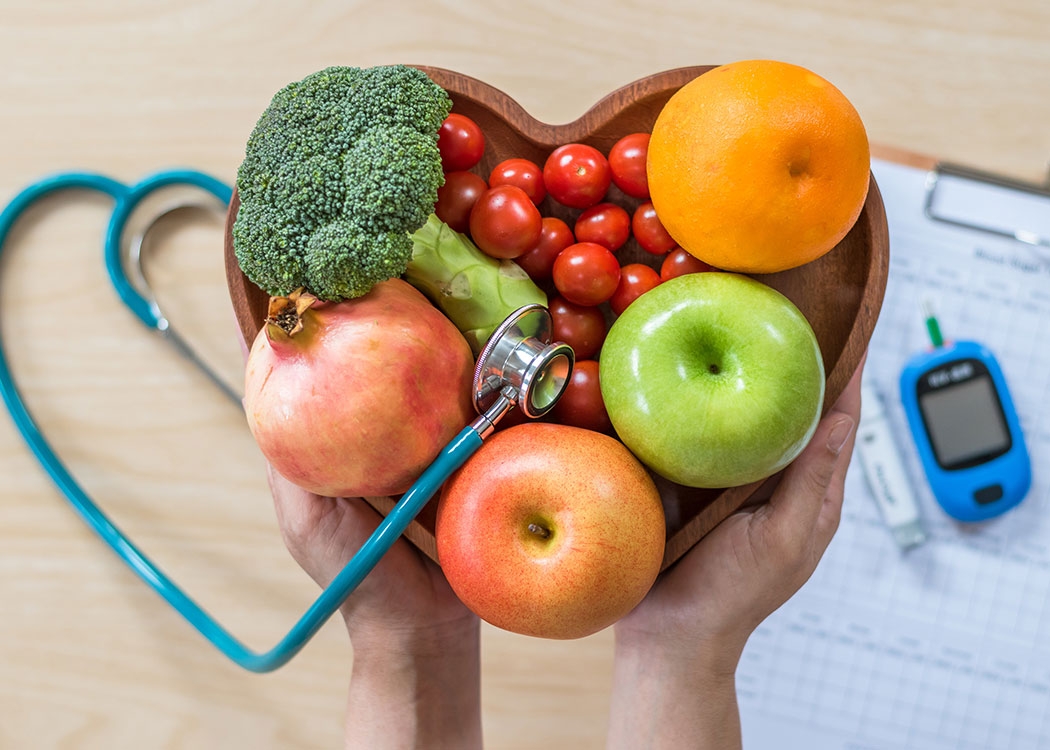
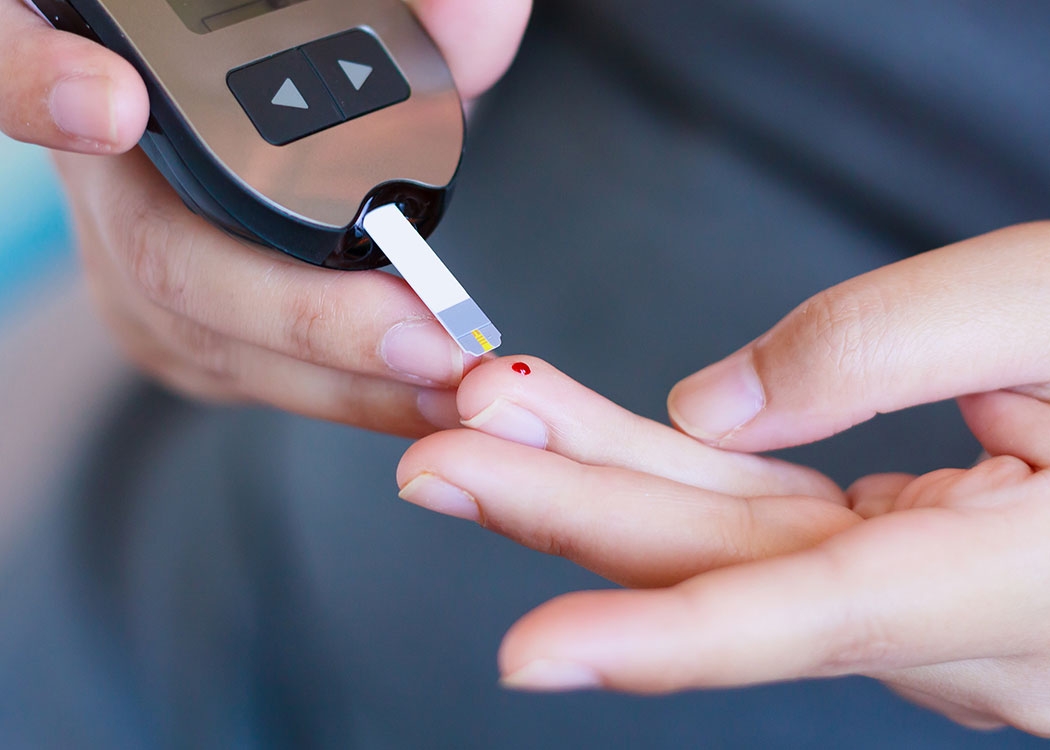
Recognising symptoms and seeking medical advice early can make a significant difference. Warning signs of diabetes may include:
Don't wait for symptoms to become severe. Type 2 diabetes can develop gradually without obvious symptoms, making routine health checks important, particularly if you have risk factors.
Don't ignore the signs because you're at sea. Seek medical advice if you notice possible symptoms. Rapidly developing symptoms accompanied by vomiting, abdominal pain or marked weakness require urgent medical assessment.
Aim for half vegetables, one quarter protein and one quarter carbohydrate-rich foods. Adapt this flexible guide to your needs and what's available onboard.
2. Choose fibre
Include oats, wholegrains, beans, lentils, vegetables and whole fruit. Whole fruit generally provides more fibre than juice, even when the juice has no added sugar.
3. Rethink your drink
Keep water accessible during your shift. Remember: “no added sugar” doesn't necessarily mean sugar-free or low in carbohydrates.
4. Pair it up
Try an apple with nuts or plain yoghurt with berries. Combining foods provides a mix of nutrients and can help keep you satisfied between meals.
5. Move when you can
Walking during breaks or taking the stairs when safe helps your muscles use glucose and supports heart health.
6. Protect your sleep
Night watches and rotating shifts can disrupt rest. Whenever possible, protect your sleep period and avoid caffeine close to bedtime.
7. Slow down
Busy duties can lead to rushed or skipped meals. Take a proper break when possible, eat at a comfortable pace and plan suitable snacks around your watch schedule.
These habits support general health but do not replace medical advice. People living with diabetes may need individualised nutrition and medication guidance, particularly when changing meal timing or carbohydrate intake.
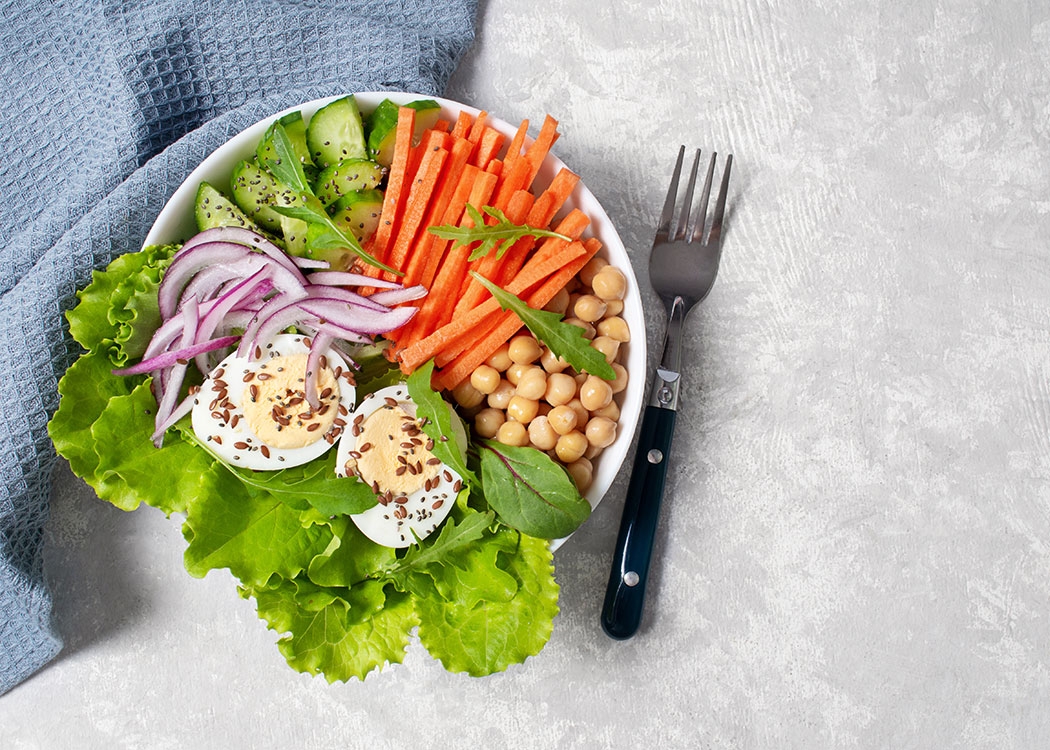
For the Nutritionist's Corner, we have prepared a fresh, colorful and satisfying recipe that everyone can enjoy. With fiber – rich chickpeas, crunchy vegetables and a zesty lemon dressing, this simple dish is a delicious everyday option that also fits well into a diabetes – friendly eating pattern.
Ingredients
Method
*Galley tip: Add parsley or mint for extra flavor. Keep prepared salad refrigerated at a safe temperature.
16 Oct 2026 - Wellness

09 Oct 2026 - Wellness
07 Sep 2026 - Wellness
07 Sep 2026 - Wellness

27 May 2026 - Wellness
From shore to sea, good food keeps people moving
Powered by BSM Catering Services
Supporting crew wellbeing, performance and excellence - everywhere we operate.

27 May 2026 - Wellness
27 May 2026 - Wellness
27 May 2026 - Wellness
26 May 2026 - Wellness
The food trends of 2026 are all about balance, simplicity, and nourishment. This year, expect a blend of comfort and innovation: meals that are quick, wholesome, and easy to prepare, plus everyday ingredients getting a fresh twist. And yes, these trends are sailing straight to your plate, even onboard a ship.