
Looking After Minds, One Meal and One Conversation at a Time
09 Oct 2026 - Wellness
Published on 16 Oct 2026
For most people, sitting down for a meal onboard is simply part of the daily routine. But for a seafarer living with a food allergy, every meal comes with an important question: ‘’Is this safe for me to eat?’’
Have you ever stopped to think how difficult it can be for someone with a food allergy to eat confidently while living away from home for months at a time?
At sea, allergy management presents unique challenges. Seafarers share the same galley, eat from the same menu, have limited access to alternative ingredients, and may be days away from medical assistance. In this environment, preventing problems before they happen is not simply good practice - it is an essential part of protecting crew health and safety.
The major food allergens commonly encountered include:
While some allergens are obvious, others can easily be hidden in everyday ingredients such as sauces, marinades, dressings, desserts, baked goods and processed foods.

The terms food allergy and food intolerance are often confused, but they are not the same.
A food allergy involves the immune system and can trigger reactions ranging from mild symptoms to life-threatening anaphylaxis. Even very small amounts of the allergen may cause a reaction, making strict avoidance essential.
A food intolerance, on the other hand, usually affects the digestive system and, while often uncomfortable, is generally not life-threatening.
From the galley's perspective, the priority remains the same: understand the dietary restriction and ensure the appropriate precautions are taken. Whenever a seafarer reports a medically diagnosed allergy or significant food intolerance, this information should be communicated clearly and as early as possible.
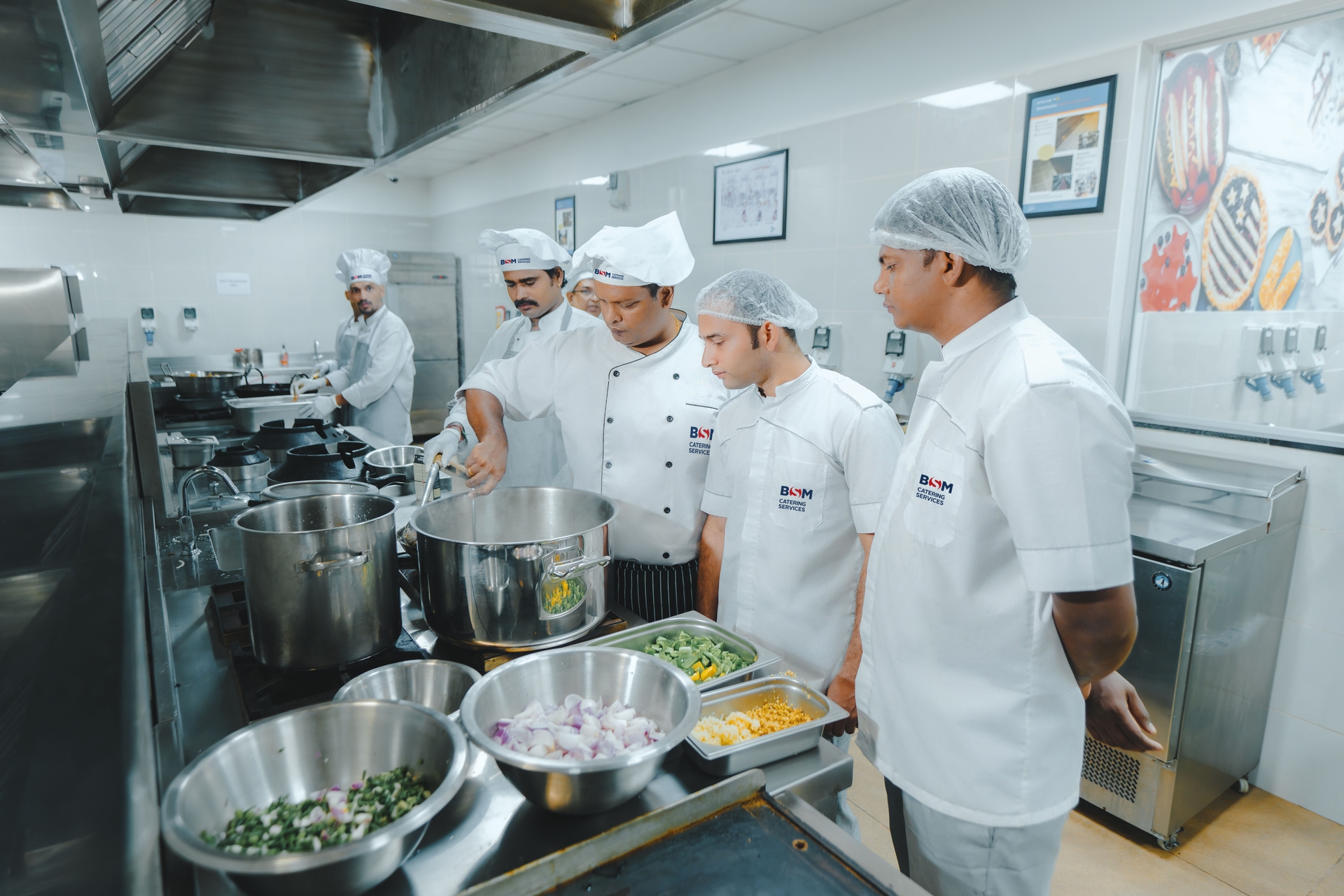
Most vessels operate with a single galley serving the entire crew. This increases the risk of cross-contact - the unintentional transfer of an allergen from one food to another. For example, using the same knife, chopping board or frying oil for different meals can leave enough allergen residue to trigger a reaction.
Unlike restaurants ashore, vessels cannot simply replace ingredients at short notice. Careful menu planning, purchasing and stock management are therefore essential to ensure suitable options remain available throughout the voyage.
Crew rotations can also create communication gaps. New seafarers may join with dietary restrictions that have not yet been fully communicated, while Galley Crew members may change during the voyage.

Safe allergy management starts long before food reaches the plate. Relevant dietary information should be communicated through the vessel's established procedures, so the Galley Crew has the information needed to prepare meals safely while respecting individual privacy.
A practical system should clearly identify:
1. Menu planning
Consider allergens when developing menus and recipes, paying particular attention to:
2. Purchasing and Receiving
Good allergy management begins before ingredients even enter the galley. Labels should always be checked carefully, including advisory statements such as:
Remember that recipes and formulations can change over time, making regular label checks essential.
3. Storage
Proper storage helps reduce the risk of accidental contamination. Good practices include:
4. Preparation
When preparing meals for someone with a food allergy, particular attention should be given to:
Simply removing an allergen from a finished meal is not always enough if contact has already occurred during preparation.
Cross-contact can happen more easily than many people realise. Common examples include:
The key message is simple: For someone with a food allergy, even a tiny amount can have serious consequences.
Food allergies may affect only a small proportion of the crew, but for those individuals, every meal depends on trust. By combining effective communication, careful planning and attention to detail, the Galley Crew helps create an environment where every seafarer can eat safely and with confidence.
At BSM Catering Services, we believe that every meal served is more than nourishment - it is an opportunity to protect health, promote wellbeing and strengthen the culture of safety onboard. Through continuous education, practical guidance and close collaboration with our Galley Crew, we remain committed to creating safe, nutritious and inclusive dining experiences for every seafarer, every day.
09 Oct 2026 - Wellness

07 Sep 2026 - Wellness

07 Sep 2026 - Wellness

27 May 2026 - Wellness
From shore to sea, good food keeps people moving
Powered by BSM Catering Services
Supporting crew wellbeing, performance and excellence - everywhere we operate.

27 May 2026 - Wellness

27 May 2026 - Wellness

27 May 2026 - Wellness
26 May 2026 - Wellness
The food trends of 2026 are all about balance, simplicity, and nourishment. This year, expect a blend of comfort and innovation: meals that are quick, wholesome, and easy to prepare, plus everyday ingredients getting a fresh twist. And yes, these trends are sailing straight to your plate, even onboard a ship.