
Fuelling the Body Right – Why Less Sugar Matters at Sea
07 Sep 2026 - Wellness
Published on 07 Sep 2026
Life at sea isn’t just physically demanding—it also throws a wrench into healthy routines. Irregular work shifts, limited movement, processed meals, and long periods away from home all contribute to one of the most common but often overlooked issues among seafarers: weight gain and obesity.
For seafarers, managing weight isn’t just about appearance. It’s about health, safety, and performance. Obesity can increase the risk of heart disease, diabetes, and joint problems, but more immediately, it can make everyday tasks onboard harder. Think about fitting into lifeboats, climbing ladders, or moving quickly during emergencies; extra weight can slow you down when seconds count.
Body Mass Index (BMI) is one tool used to identify excess weight—a BMI of 25 to 29.9 indicates overweight, and 30 or above is classified as obese. While it doesn’t tell the full story of your health, it’s a useful starting point.
The environment onboard ships make healthy living a challenge. Most roles involve long hours with little physical movement, often in confined quarters. There’s also the issue of disrupted sleep patterns due to rotating shifts, which can throw your metabolism off balance and affect how your body stores fat.
Food can be another obstacle. Fresh fruits and vegetables aren’t always available, especially during long voyages. Processed, calorie-heavy meals are often the default. Combine that with isolation, stress, and the temptation to snack out of boredom or fatigue, and it’s easy to see how weight gain creeps in over time.
Despite these challenges, it is absolutely possible to manage your weight onboard with a few consistent habits and a bit of planning.
Start with your meals
Prioritize lean proteins like canned tuna, eggs, or beans—they help build muscle and keep you full. Pair these with whatever vegetables are available and go for whole grains like brown rice or oats when you can. Even with limited choices, you can make nutrient-dense meals that support your energy and focus.
Portion control also makes a big difference
It's easy to overeat when food is plentiful or when meals are your main comfort during tough days. Try eating more slowly, allowing your body to register fullness before you go for seconds. Using smaller plates or simply serving yourself less can be surprisingly effective.
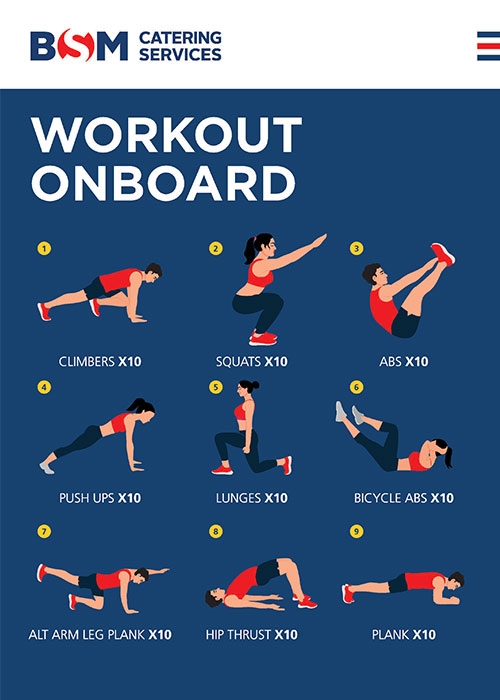
Staying active doesn’t require a gym
Even with tight spaces, short bursts of exercise- pushups, lunges, squats—can be done in your cabin. Walking laps on deck or stretching during breaks helps too. Aim for at least 10–15 minutes a day. The key is consistency, not intensity.
Drinking plenty of water is another often-overlooked tool
Dehydration can feel like hunger, leading to unnecessary snacking. Keep a bottle nearby and sip regularly throughout your shift. When you do snack, reach for protein-rich or high-fiber options like yogurt, nuts, or fruit if it’s available. Avoid sugary treats and refined carbs that spike your energy and then crash it.
Another important approach is mindful eating
Stress, fatigue, and loneliness can trigger emotional eating, especially on long voyages. Being aware of why you’re eating, not just what you’re eating—can help you make better choices. Small mental resets, such as stepping outside for fresh air or taking a few deep breaths, can go a long way in curbing unnecessary eating.
Healthy meals don’t need to be complicated. For example, try a Tuna Salad Wrap using canned tuna mixed with vegetables and wrapped in a whole wheat tortilla with lemon juice or vinegar for flavour. Or whip up a Chickpea Stir-Fry by sautéing canned chickpeas and mixed vegetables in olive oil, seasoned with basic herbs. Even a quick Egg and Veggie Scramble can deliver plenty of nutrients with just a few ingredients. These meals are quick, filling, and realistic to prepare onboard.

The BSM Catering Team is here for you 24/7. Whether you need help with portion control, meal planning, or figuring out how to stay active during your shift rotation, our nutritionist, training and catering officers are ready to assist. We’re committed to helping you make healthier choices that actually fit the realities of seafaring life.
Health isn’t something you have to tackle alone. With shore and onboard teams working together, we can build a shipboard culture where wellbeing is part of the daily routine, not an afterthought.
Weight management at sea is absolutely achievable. By focusing on balanced eating, keeping portions in check, staying physically active, and being mindful about your habits, you can maintain a strong, healthy body ready for the demands of ship life. With support from the right people and a few practical tools, you’re well-equipped to thrive—wherever your next voyage takes you.
07 Sep 2026 - Wellness

27 May 2026 - Wellness
From shore to sea, good food keeps people moving
Powered by BSM Catering Services
Supporting crew wellbeing, performance and excellence - everywhere we operate.

27 May 2026 - Wellness

27 May 2026 - Wellness

27 May 2026 - Wellness
26 May 2026 - Wellness
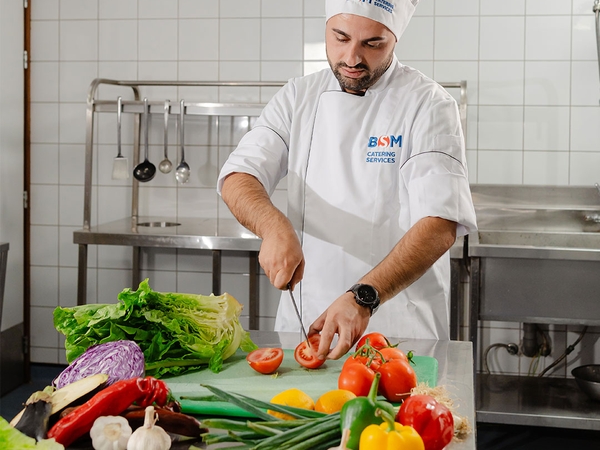
The food trends of 2026 are all about balance, simplicity, and nourishment. This year, expect a blend of comfort and innovation: meals that are quick, wholesome, and easy to prepare, plus everyday ingredients getting a fresh twist. And yes, these trends are sailing straight to your plate, even onboard a ship.